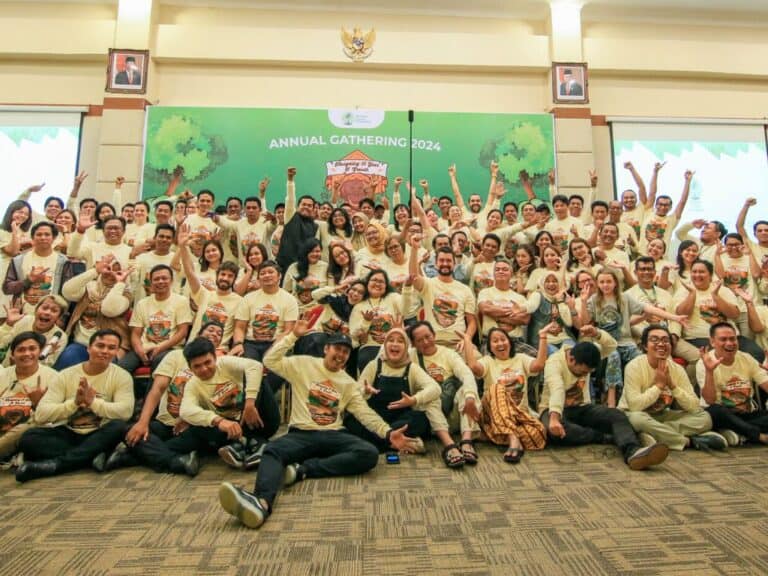

As 2025 draws to a close, we’re proud to look back on a year defined by action, collaboration and tangible impact for Borneo’s forests and wildlife. From reaching major milestones in peatland re-wetting to empowering young people and shaping conservation policy beyond Borneo, the last 12 months showed what’s possible when hard graft and passion for nature meets collective effort. Now, compiled for your reading pleasure, here are just a few of the highlights from 2025…
Growing our planting projects
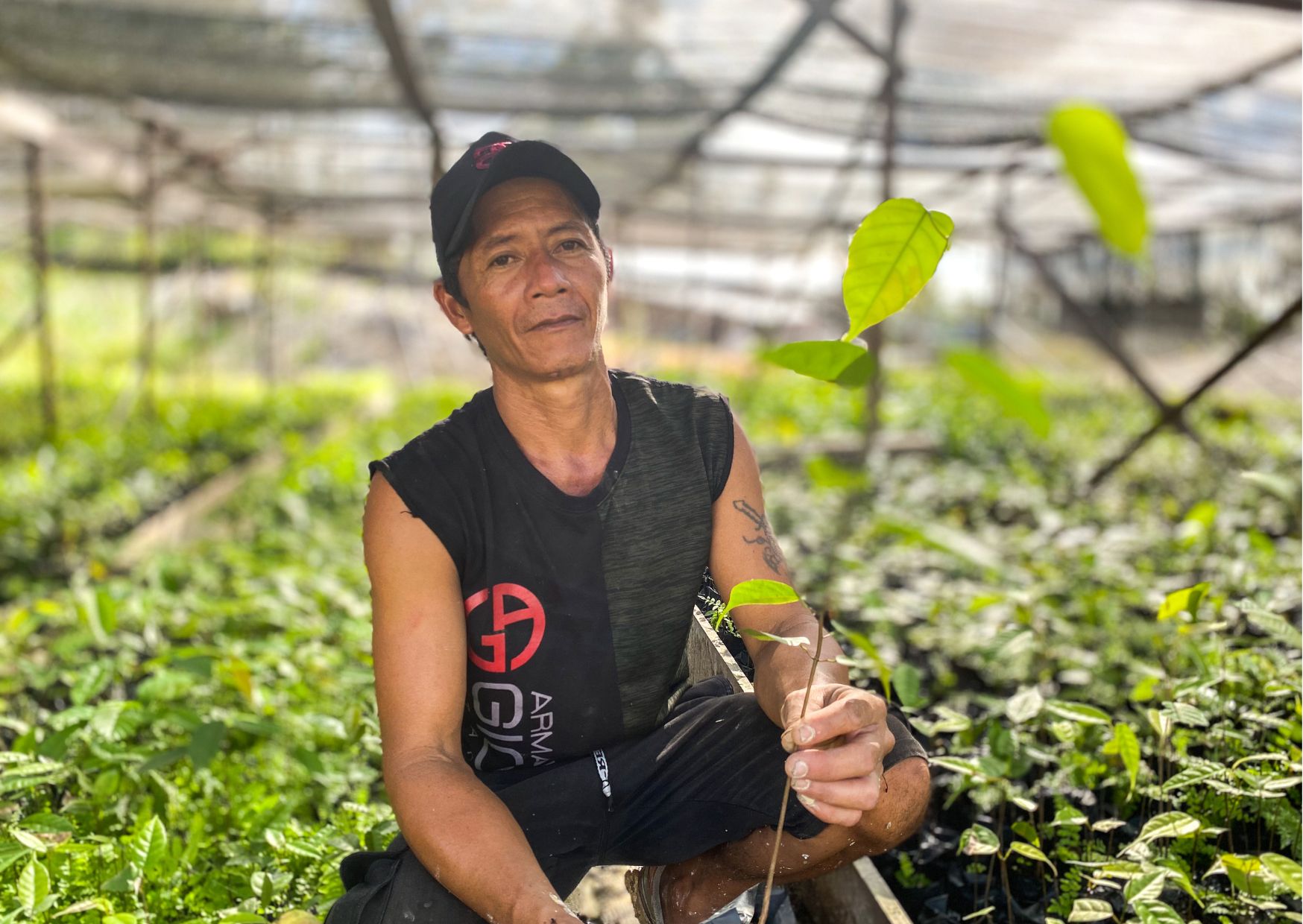
Forest restoration remained at the heart of our work in 2025. By the end of the year, we had planted or replanted 149,074 trees, spanning 11 native species and representing thousands of hours of collective effort. We pushed our planting programme into new territory, expanding south-west into the Mendawai area of Sebangau National Park. Restoring 115 hectares in this remote and degraded landscape was a major logistical challenge, far from our long-established working areas, but careful planning and detailed ground and aerial surveys allowed us to map new planting blocks and get operations underway.
At the same time, we extended restoration into the Rungan landscape, launching reforestation in both the Rungan Community Forest and degraded areas of the Petuk Barunai Village Forest. We also returned to sites impacted by the severe El Niño drought of 2023, replanting 20,951 seedlings in areas where earlier planting had suffered high mortality. This targeted effort is already helping to stabilise recovering forests and strengthen their resilience to future climate extremes.
None of this work would be possible without our long-standing partnerships with local communities. Throughout 2025, we worked with 20 community-managed nurseries across seven villages bordering Sebangau National Park. As our planting programme moves into increasingly remote and difficult-to-access areas, this locally rooted nursery network has become more important than ever, ensuring a reliable supply of seedlings while keeping forest restoration firmly grounded in local knowledge, livelihoods and leadership.
Giving a dam
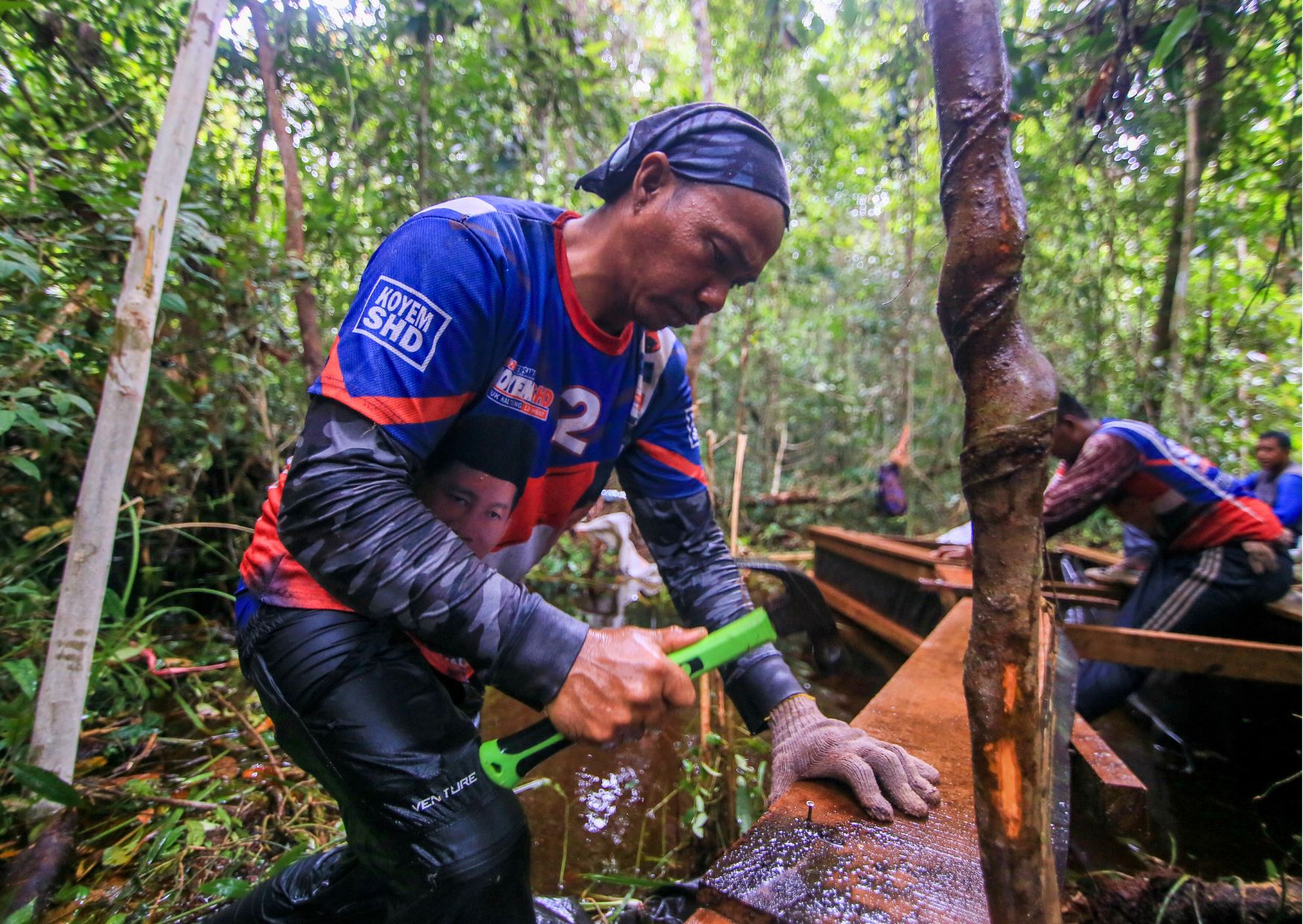
Peatland re-wetting hit a landmark year in 2025. We built 80 new dams and fully blocked five drainage canals, pushing our long-term programme past a powerful milestone: more than 1,000 dams installed since our peatland restoration efforts began in 2010! Post-damming, our ongoing monitoring shows higher, more stable water levels and slower drawdown during dry periods. The message is clear: keeping peatlands wet works. Re-wetting remains one of our most effective tools for preventing fires, protecting biodiversity and locking carbon safely in the ground.
Increased fire(fighting) power
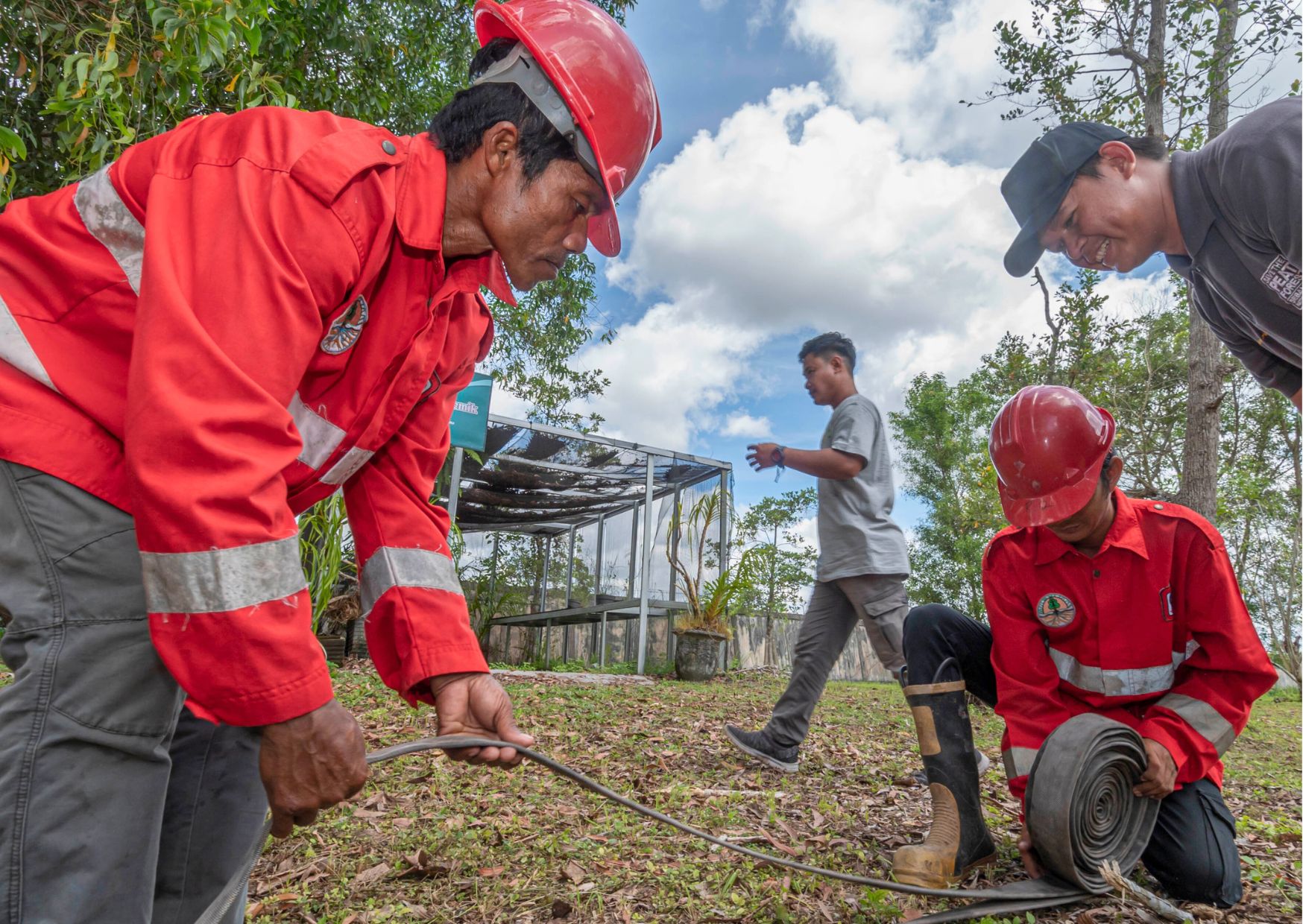
Fire prevention efforts were further strengthened by the expansion of our supported community firefighting network. In May, a new firefighting team was established in Pilang Village to the southeast of Sebangau National Park. This opened up a whole new patrol area to the east, as most of the other teams are situated at the northern edge of the National Park, closer to the provincial capital of Palangka Raya City.
By the peak of the dry season, we were supporting nine teams, comprising 145 trained firefighters. Between June and November, spanning the entirety of the dry season, teams patrolled daily or every other day. This enhanced patrol coverage, combined with additional training in SMART software for reporting and habitat protection, contributed to another major achievement for the year: zero fires recorded in our working areas!
Community-led conservation
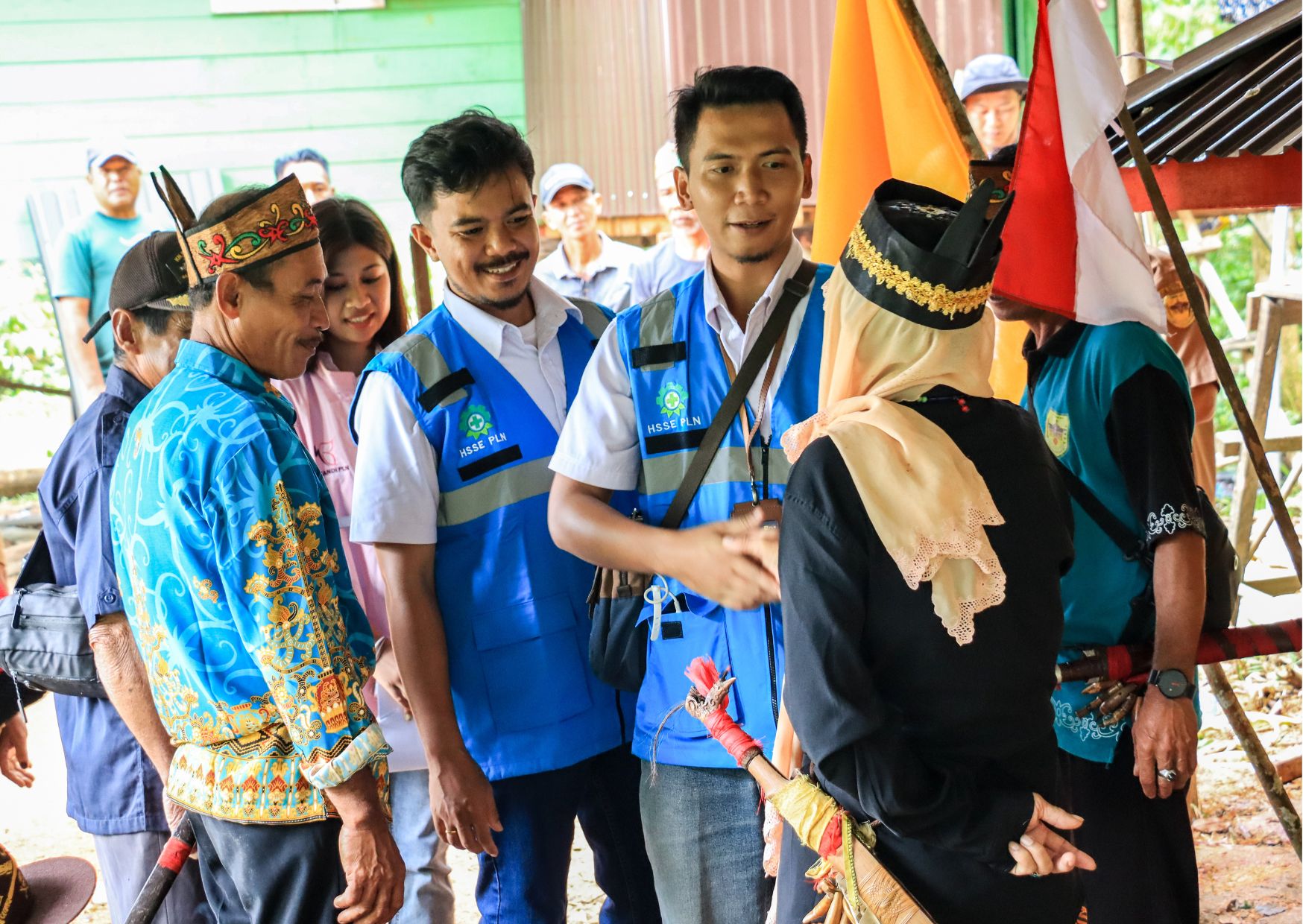
Community-led conservation is at the heart of everything we do. Through Indonesia’s Social Forestry scheme, we support communities in securing legal rights to manage and protect their ancestral forests. In 2025, four new Social Forestry decrees were granted, bringing 2,377 hectares of forest under community management and involving 190 new community members in long-term stewardship. These new protections strengthen local control over forest resources while safeguarding critical orangutan habitat and ecosystem services. We also expanded our Social Forestry support in the Sebangau landscape, initiating new collaborations with communities and exploring potential applications covering up to 6,500 additional hectares.
Environmental education that empowers
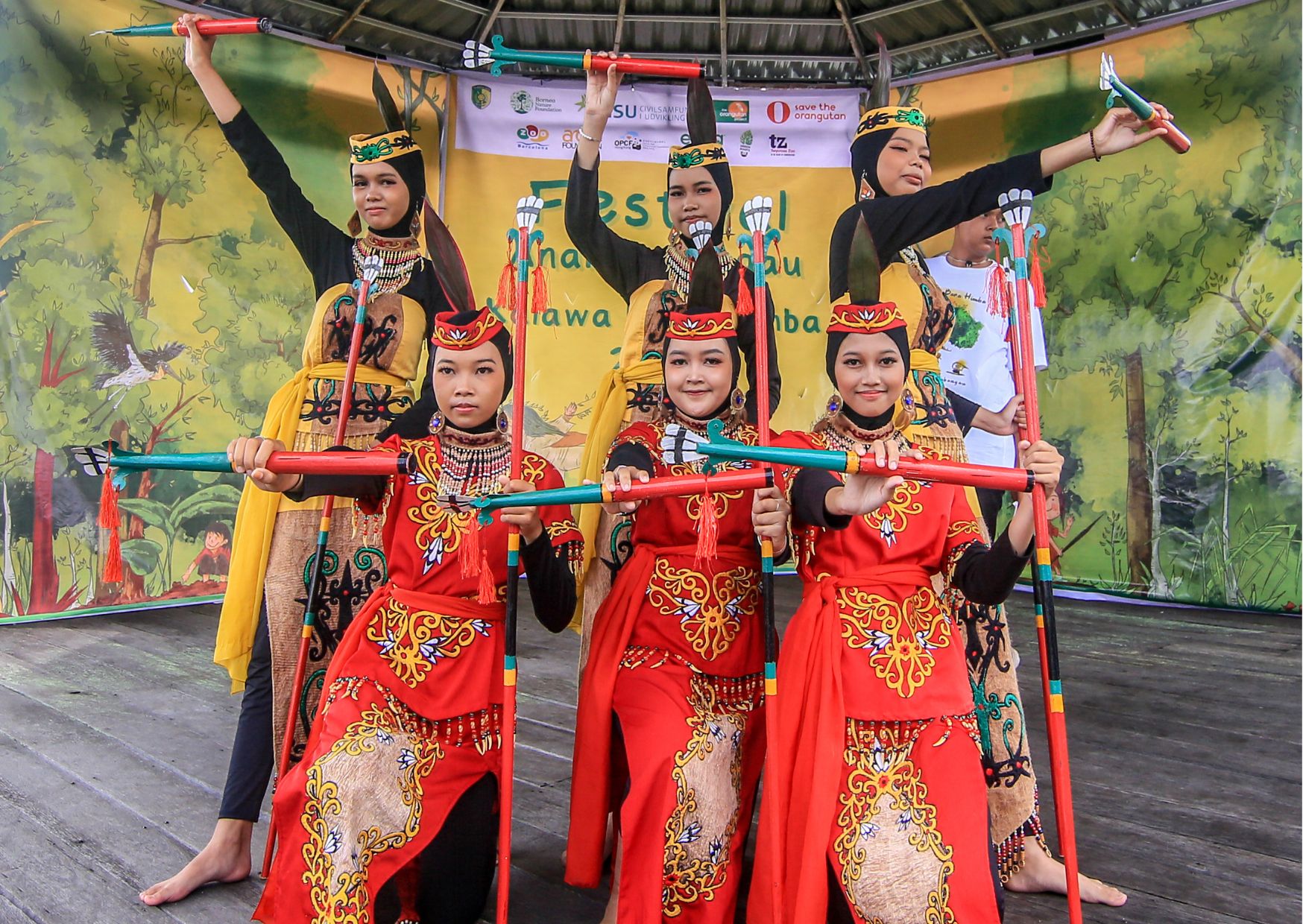
Our environmental education programmes also saw significant growth in both reach and ambition this year. Ten schools took part in our supplemental conservation modules, through which we engaged 381 students. Membership of our youth clubs – Anak Sebangau (‘Children of Sebangau’) and the teenaged Sebangau Rangers – continued to grow, with 174 registered members in 2025. Some older Sebangau Rangers also began volunteering with our education staff, helping facilitate activities for the younger Anak Sebangau group. In October, we held our annual Anak Sebangau Festival, put on by members of our children’s club to explore creative ways of sharing what they’ve learnt over the past year with their friends and families. Meanwhile, educational field trips gave young people hands-on experiences beyond the classroom, including visits to the forest, local heritage museums, and community-run ecotourism sites.
In 2025, we also launched the Siska Scholarship Programme to support outstanding graduates of its youth clubs to pursue higher education. The first scholarship was awarded to Mahada, a former Anak Sebangau and Sebangau Rangers member who began university in September, marking an important step toward improving access to higher education for Indigenous youth, particularly young women.
Kicking off a brand-new field course programme
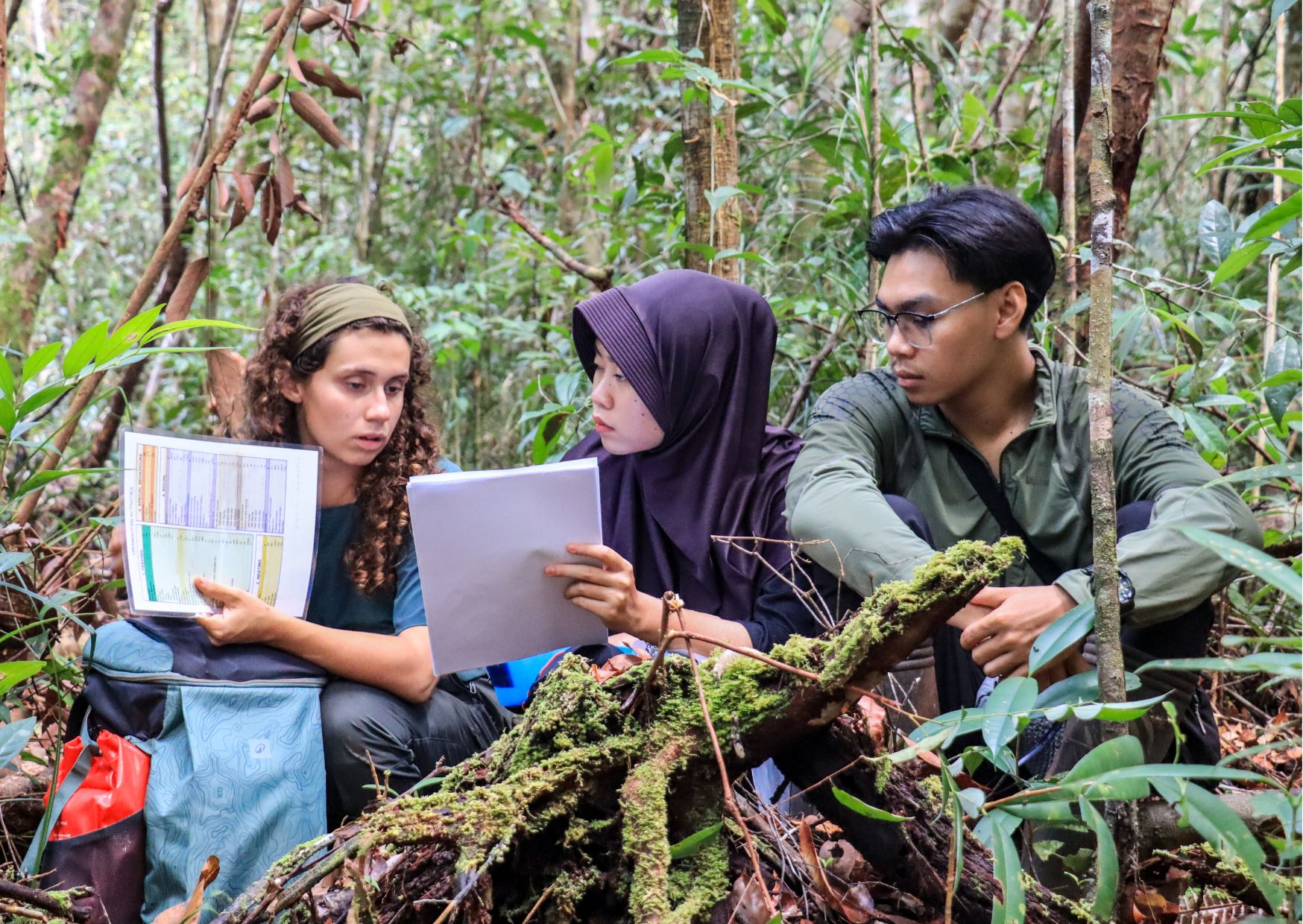
In August, we marked the return of our international field course programme, delivered in partnership with the Centre for International Cooperation in Sustainable Management of Tropical Peatland (CIMTROP) at the University of Palangka Raya. Ten students, five from Indonesia and five from Europe, spent three weeks at our field camp gaining hands-on experience in wildlife research techniques from gibbon triangulation to camera trapping. But, just as importantly, the course served as an opportunity for international and Indonesian students to share cross-cultural experiences, united by a love of nature and the desire to protect it.
A flagship orangutan health project
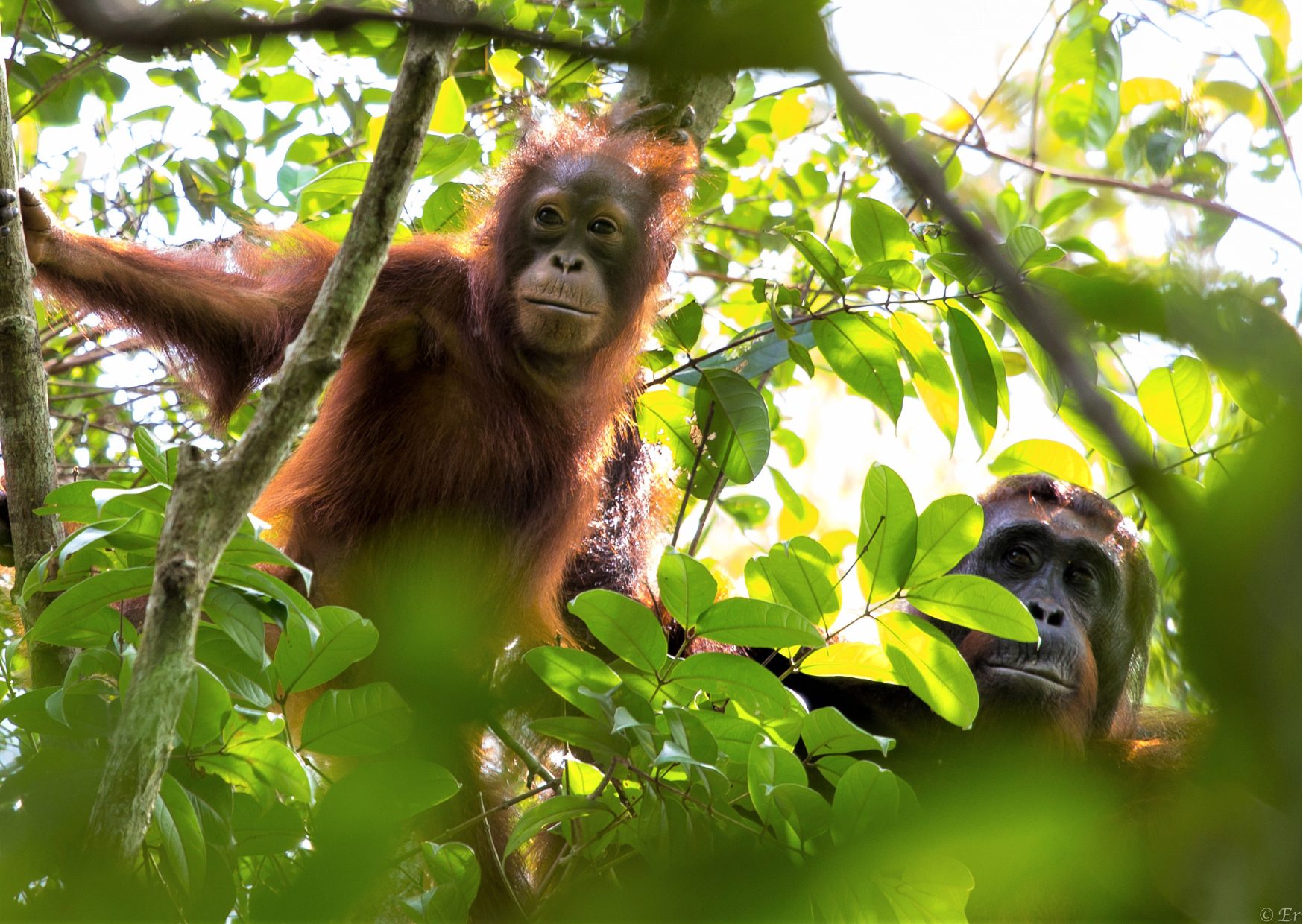
Our scientific programmes also advanced with the launch of a brand-new orangutan health project. Sebangau National Park supports one of the largest protected populations of Bornean orangutans, yet increasing overlap between people and wildlife raises the risk of disease transmission. In 2025, we started integrating health assessments into our long-running orangutan monitoring programme, using non-invasive analysis of faecal and urine samples to establish baseline health indicators.
The orangutan health project kicked off in January 2025 with the arrival of Amber, who recently concluded her year’s placement as a full-time research assistant in Sebangau. Over the summer, Amber was joined by several students from the University of Palangka Raya to help with sample collection and follow-up analyses in the lab. This collaboration proved so effective that the students’ time in the field ended up being extended by several weeks, lending extra capacity to our new health project whilst allowing local students to gain valuable field experience.
Policy impact in Borneo and beyond
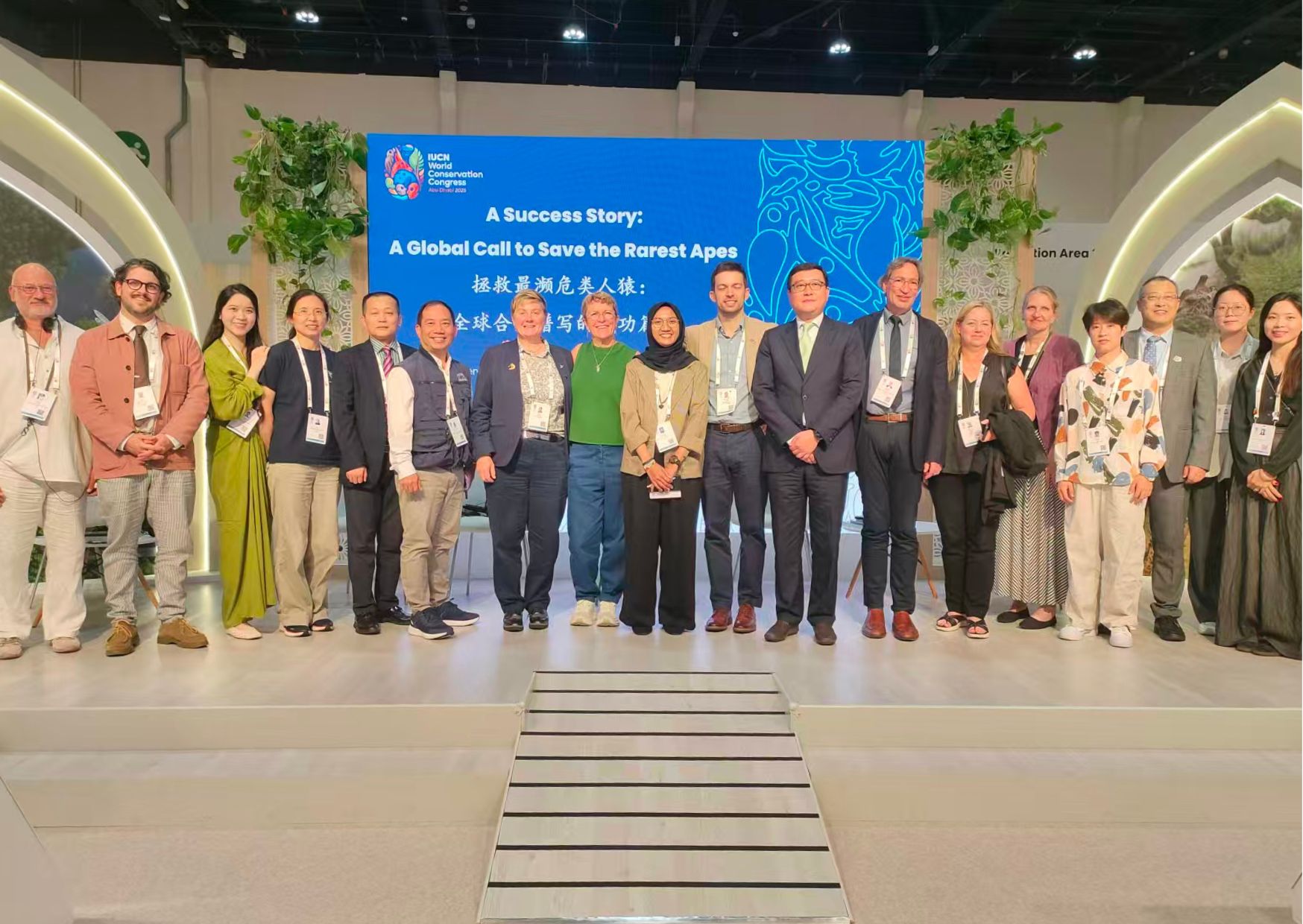
Our influence extended beyond the field at the global policy level. At the IUCN World Conservation Congress, our scientists helped bring greater attention to the conservation needs of gibbons and clouded leopards, contributing to policy discussions that will shape conservation priorities in Borneo and beyond.
New year, same mission
Together, these achievements made 2025 a year of tangible progress for us here at the Borneo Nature Foundation. By combining science, community leadership and sustained action on the ground, we helped strengthen both ecosystems and the people who depend on them, laying firm foundations for the challenges and opportunities ahead. Bring on 2026!