We spoke with Holly from our 2025 experience to hear all about it.
In one word, I felt alive. It showed me the life I want, gave me purpose. I was empowered, as it was emphasised the importance that the next generation plays in the common goal of protecting wildlife. I was invigorated and moved to continue the influential and ground-breaking work, this gift from the field course was priceless. It gave insight in to where my passions, abilities and drive can take me, galvanising my view for my future.

Three orangutans, red langurs, the largest dragonflies, pit vipers, tortoises during a fish survey, so many gibbons! Not including many birds, reptiles, amphibians and fish.
And can you believe, a clouded leopard. This was the rarest sight throughout the trip, after being warned that clouded leopards just aren’t seen and only found through camera traps. We walked at 4.15am for a gibbon follow and stopped, seeing two large shining eyes 15 meters in front of us. This was the most surreal experience. The news shocked the camp, the field course leaders with a combined field experience of 14 years had never seen one!
The field course gave me real, valuable experiences to learn field skills, which are transferable across many types of conservation research. This included camera trapping and data handling, gibbon triangulation, and high value thesis writing.
The field course showcased the importance of listening and being observant within a team. Insights can come from everyone and paying attention is integral to success. Listening to nature, epecially during nest and bird surveys, required mastered observational skills. This attention to the environment meant we saw animals and plants that otherwise would be overlooked.
In addition to in-field skills, I learnt other essential skills for conservation work, like the importance of teamwork and adaptability in creating an inviting work environment within a multicultural team.

If it’s a career in conservation you want or to just experience nature, either way you will be moved and inspired. As a conservationist and animal behaviourist, this field course exposed the considerations of what a career would look like in the field, with collaborative work and how research is essential to making important policy change.
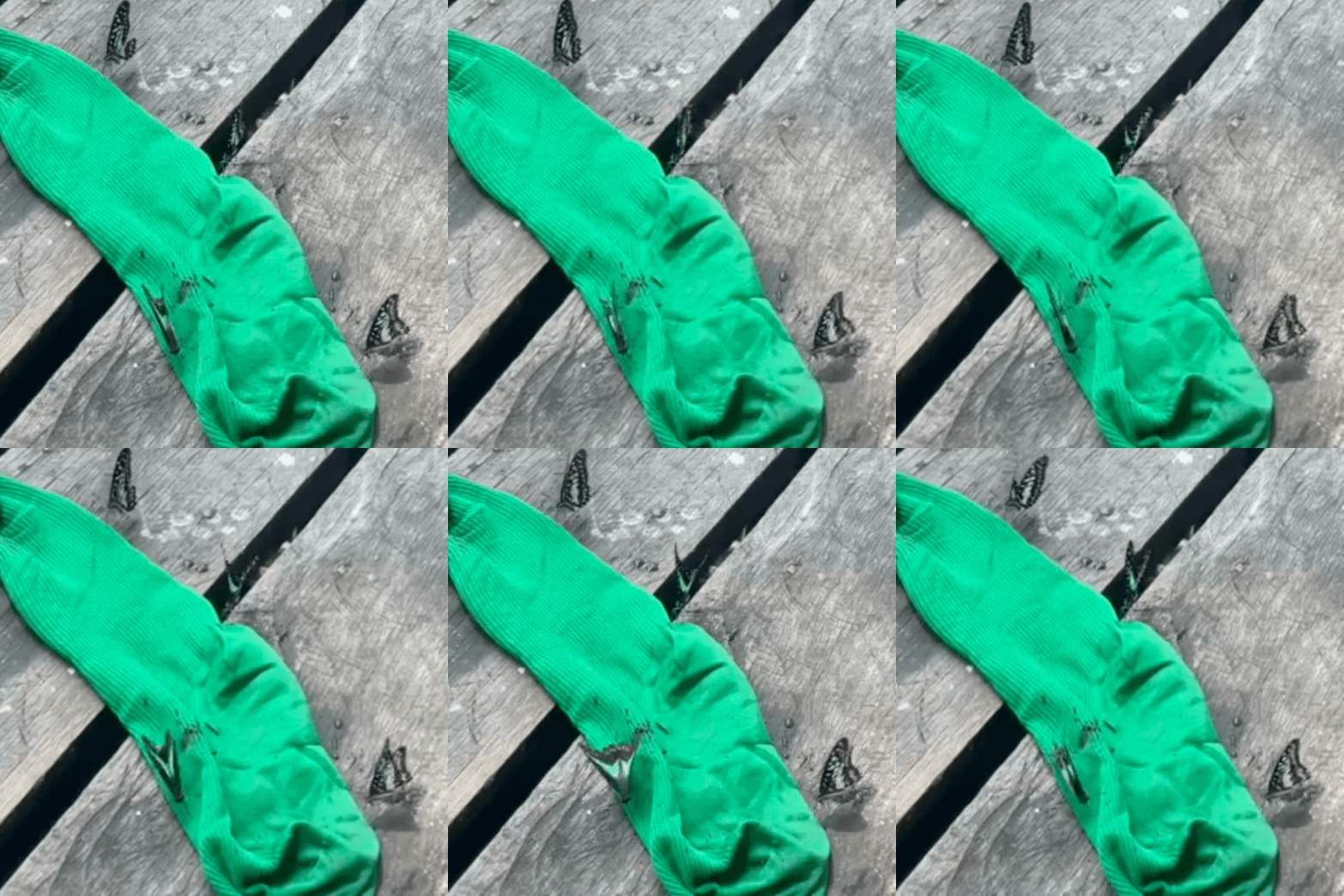
If the urge isn’t for a career but you love nature, then the field course set up will gift you the opportunity to live in such a closeness to the local wildlife. I was breathless when I entered camp by the proximity to wildlife. Living in there, a place inhabited by monitor lizards, flights of butterflies and visiting civets was an opportunity to observe life that doesn’t get much better.

The three weeks gave me so many cherished and pivotal experiences, both professionally and personally, but my overall favourite was applicability of the course. I feel as though I walked away from the three weeks having a very detailed appreciation for how conservation works logistically and the players involved in executing continuous research.
With my own insights on to how to enter the field, the avenues I can pursue are clearer and my own perspectives of what I want to improve in methods of conservation. This was all possible because of the knowledge imparted from the course leaders Jorian and Nam, from sharing their own wisdom, fostering curiosity, and leading by example by opening discussions, encouraging all the students to engage in group dialogues.
After having many discussions I began to learn the inner workings of how conservation works, what makes it successful; this changes my interpretation of what successful conservation really looks like.