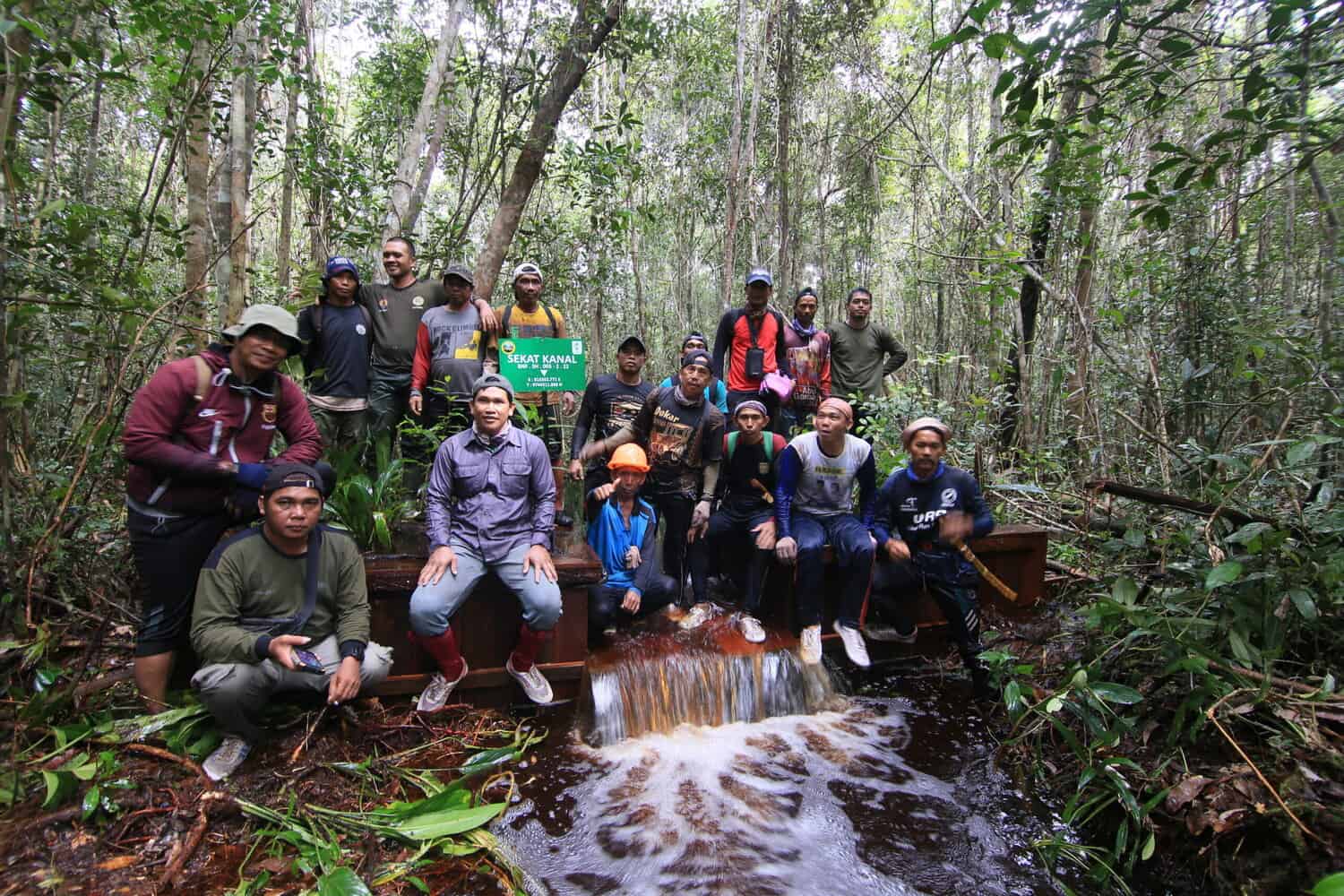
We’re excited to share that two new conservation resolutions were passed at the 2025 International Union for Conservation of Nature (IUCN) World Conservation Congress in Abu Dhabi, with crucial input from BNF scientists.
The IUCN’s mission is to “influence, encourage and assist society” through conservation policy. Resolutions are voted for through the world’s leading union of conservation agencies, including 85+ States, 120+ government agencies, 1000+ non-governmental organisations and 15+ Indigenous Peoples’ organisations. These resolutions are essential for many reasons including setting the global conservation agenda and identifying emerging issues in conservation.
Strengthening gibbon conservation through collaboration and synergy
The first of these new resolutions, ‘Strengthening gibbon conservation through collaboration and synergy’, was co-written by our Scientific Director Dr Susan Cheyne, who also serves as Vice Chair of the IUCN Species Survival Commission (SSC) Primate Specialist Group Section on Small Apes.
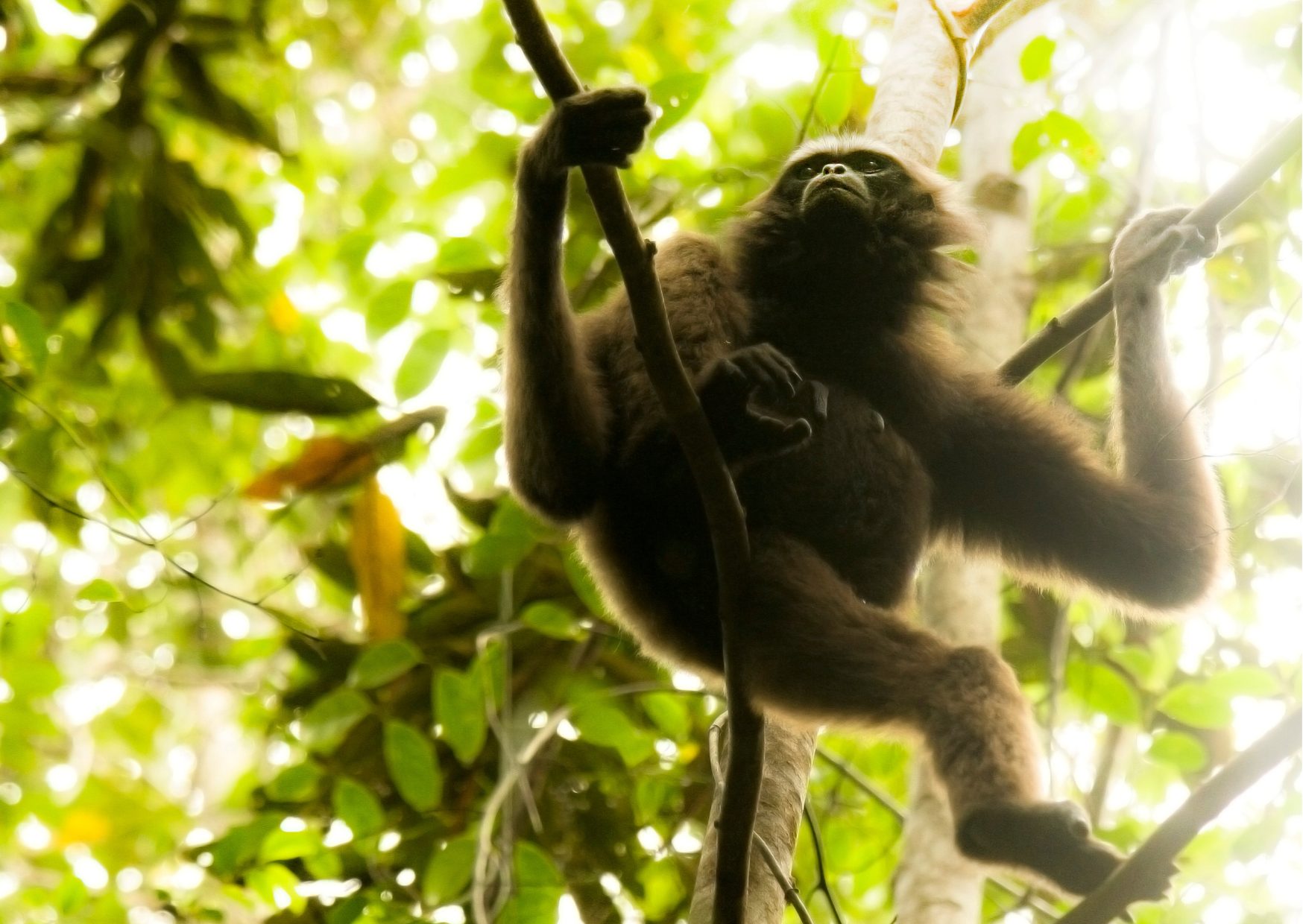
Gibbons are small apes found in forests across Asia. Four of the world’s twenty gibbon species are endemic to the island of Borneo, meaning they occur nowhere else. All gibbons are considered at risk of extinction, and 95% of species are classified as Endangered or Critically Endangered on the IUCN Red List. Gibbon populations have fallen by about 70% since 1980, chiefly due to habitat loss, poaching, and human-wildlife conflict.
Gibbons play a key role as seed dispersers and pollinators, helping to regenerate forest ecosystems and promote plant diversity. They also have significant cultural value, presenting ecotourism opportunities that can help sustain local communities. Moreover, protecting gibbons means protecting the biologically rich forests they, and thousands of other species, inhabit.
The resolution stresses that working together is essential, highlighting successful cooperation between governments, scientists, NGOs and communities for gibbon conservation.

It calls for action to:
- Protect key gibbon populations and their forest habitats, including through protected areas and possibly World Heritage status.
- Stop the use of gibbons as pets or for entertainment, and support safe rehabilitation and release where appropriate.
- Avoid development projects and products that destroy gibbon habitat.
- Involve local and Indigenous communities, and increase funding for gibbon conservation.
- Use science and long-term monitoring to guide conservation and restore habitats.
- Strengthen international cooperation, including sharing best practices on disease prevention and responsible, gibbon-friendly ecotourism.
Conservation of clouded leopards as a top priority umbrella species
Dr Cheyne also advised on the second resolution, ‘Conservation of clouded leopards (Neofelis nebulosa, Neofelis diardi) (IUCN VU) as a top priority umbrella species for south and southeast Asia’.
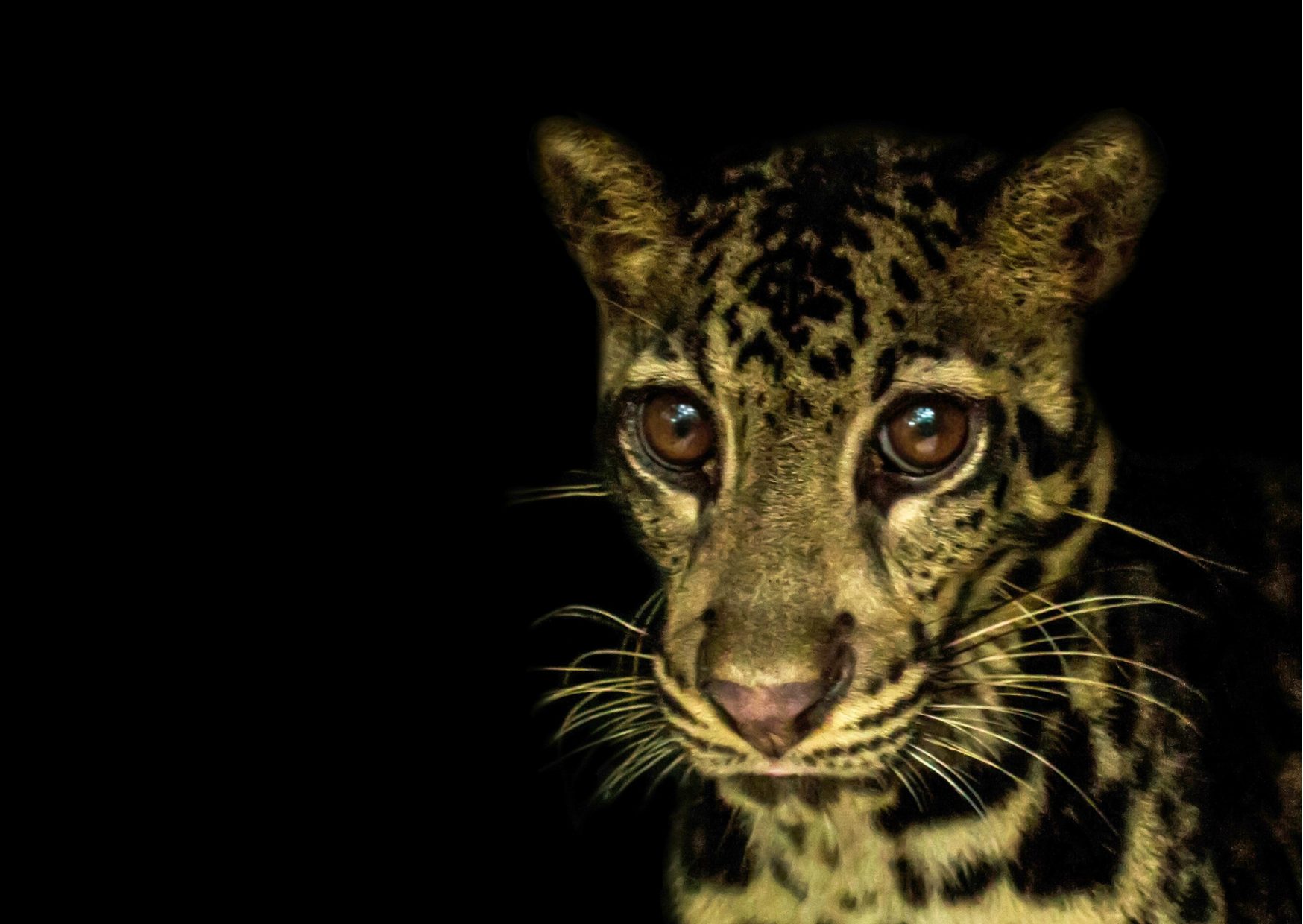
Clouded leopards are the smallest big cats (or the biggest small cats, depending on who you ask!) There are two different species: the mainland clouded leopard (N. nebulosa), which ranges from the Himalayas to mainland Southeast Asia and into South China, and the Sunda clouded leopard (N. diardi), found in Borneo and Sumatra. Both species are declining due to poaching and habitat loss. Their populations have dropped by about one-third in the past two decades, and there may be fewer than 5,000 individuals of each species, making them the rarest big cats in the world, even rarer than tigers.
Both cloudies depend heavily on healthy tropical forests. As with gibbons, because they need large, intact forest areas, protecting clouded leopards also helps protect the many other species that share their habitat. For this reason, they are seen as an umbrella and flagship species; saving them helps save whole ecosystems.
The new resolution declares that conserving clouded leopards must be science-based, cooperative, and inclusive of Indigenous Peoples and local communities, ensuring that conservation also benefits those who live in and depend on forests.

The resolution calls for action to:
- Recognise clouded leopards as a priority species because of their importance to forest ecosystems.
- Stop poaching and illegal trade, and strengthen law enforcement.
- Protect and restore forests, including through wildlife corridors and buffer zones.
- Support Indigenous governance and sustainable land-use practices, such as permaculture.
- Protect prey species, fund research, and create national conservation plans.
- Ensure development and infrastructure projects do not harm clouded leopard habitats.
- Improve regional cooperation, including creating a shared conservation roadmap for Asia.
These resolutions are testament to the impact of our science and monitoring programmes, having a tangible effect on international policy and management. They also represent a watershed moment for gibbons and clouded leopards, which have long been overlooked as a conservation priority.
“These resolutions are essential for many reasons, including setting the global conservation agenda and identifying emerging issues in conservation,” Dr Cheyne said.
“For the 20 small ape and two clouded leopard species, the 2025 resolutions are the very first time these species have received specific attention and clear calls to action for more cooperation between NGOs, government, the private sector, local people and academics.”